

 Hộp thu bụi ion
 Súng khử tĩnh điện
 Bộ lọc khí
 Cảm biến tĩnh điện
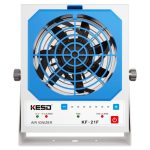 Quạt thổi khí ion
 Thanh khử tĩnh điện
 Đầu Phun Khí Ion
 Dao khử tĩnh điện
guide
Emotional Design Concepts in Interactive Environments
Nội dung bài viết
Emotional Design Concepts in Interactive Environments
Dynamic systems rely on affective design concepts to forge valuable connections between users and digital products. Emotional design converts operational systems into experiences that resonate with human feelings and motivations.
Affective design concepts steer the development of interfaces that initiate certain affective reactions. These concepts enable creators newgioco login construct environments that feel intuitive, trustworthy, and engaging. The strategy merges visual selections, engagement structures, and communication approaches to affect user behavior.
How first perceptions form emotional perception
Initial impressions develop within milliseconds of encountering an engaging platform. Individuals make rapid judgments about trustworthiness, professionalism, and value grounded on first visual signals. These immediate assessments decide whether users persist exploring or leave the interface instantly.
Graphical organization creates the groundwork for favorable first perceptions. Intuitive navigation, proportioned arrangements, and deliberate whitespace communicate structure and competence.
- Loading rate influences emotional perception before users newgioco casino observe material
- Consistent branding features establish rapid recognition and confidence
- Obvious worth statements address user inquiries within seconds
- Universal design demonstrates consideration for diverse user requirements
Favorable early interactions generate favorable bias that fosters exploration. Unfavorable initial impressions need substantial exertion to counteract and often end in permanent user attrition.
The role of visual design in generating emotional responses
Visual design serves as the principal channel for emotional expression in dynamic environments. Colors, shapes, and imagery activate cognitive responses that affect user disposition and behavior. Creators newgioco choose graphical components tactically to evoke particular sentiments coordinated with platform targets.
Color psychology performs a fundamental role in affective design. Warm hues generate energy and urgency, while cool blues and greens foster tranquility and credibility. Brands use consistent color ranges to establish identifiable affective identities. Typography selections express character and voice beyond the written content. Serif typefaces express tradition and reliability, while sans-serif typefaces indicate contemporariness. Font thickness and scale organization direct attention and establish cadence that influences reading ease.
Imagery transforms conceptual concepts into physical graphical experiences. Pictures of individual faces trigger understanding, while graphics offer flexibility for brand communication.
How microinteractions shape user sentiments
Microinteractions are minor, operational animations and reactions that happen during user new gioco activities. These subtle design features provide feedback, direct actions, and create instances of pleasure. Button movements, loading signals, and hover outcomes convert routine operations into emotionally fulfilling experiences. Response microinteractions comfort individuals that platforms acknowledge their contribution. A button that alters color when clicked validates action finish. Progress indicators reduce worry during waiting intervals by revealing operation status.
Delightful microinteractions contribute character to practical elements. A playful movement when concluding a assignment celebrates user success. Fluid transitions between conditions generate graphical flow that feels intuitive and refined.
Duration and movement standard establish microinteraction effectiveness. Natural easing curves imitate real world animation, producing known and pleasant interactions that feel responsive.
How response loops strengthen positive sentiments
Response loops generate patterns of action and reaction that shape user behavior through emotional strengthening. Engaging systems utilize feedback processes to recognize user contributions, honor accomplishments, and encourage sustained involvement. These cycles change individual activities into continuous connections founded on favorable interactions. Direct feedback in newgioco casino provides rapid reward that motivates repeated behavior. A like tracker that refreshes in real-time recognizes information authors with obvious appreciation. Rapid replies to user input create fulfilling cause-and-effect connections that feel fulfilling.
Progress indicators establish clear routes toward targets and celebrate progressive achievements. Completion percentages show individuals how near they are to completing assignments. Achievement icons mark landmarks and offer physical evidence of success. Social response amplifies emotional impact through collective validation. Responses, distributions, and reactions from other individuals generate belonging and appreciation. Joint capabilities produce collective affective experiences that reinforce platform bond and user devotion.
Why personalization enhances affective involvement
Personalization creates distinct experiences customized to specific user inclinations, actions, and requirements. Personalized information and interfaces make users feel recognized and appreciated as individuals rather than nameless guests. This recognition creates emotional bonds that generic experiences cannot attain.
Flexible information presentation responds to user preferences and prior interactions. Recommendation algorithms suggest pertinent items, posts, or connections grounded on browsing history. Tailored landing pages display content matched with user concerns. These adapted interactions decrease cognitive demand and exhibit awareness of individual preferences.
Personalization options empower users new gioco to mold their own experiences. Style controls enable system modifications for graphical convenience. Alert settings give command over interaction rate. User control over personalization generates ownership feelings that strengthen emotional commitment in platforms.
Situational customization adjusts encounters to situational variables beyond saved preferences. Location-based recommendations deliver spatially pertinent content. Device-specific enhancements guarantee consistent level across environments. Smart modification shows platforms foresee needs before individuals state them.
Acknowledgment components recognize repeat individuals and remember their path. Welcome communications employing names generate cordiality. Stored settings remove repetitive tasks. These tiny recognitions build into considerable affective bonds over time.
The influence of mood, wording, and communication
Mood and language influence how users perceive platform personality and values. Term decisions and communication manner convey emotional dispositions that influence user feelings. Uniform messaging establishes recognizable voice that builds familiarity and trust across all interactions.
Conversational voice humanizes virtual interactions and reduces felt gap between users and systems. Friendly communication makes complex procedures feel accessible. Straightforward vocabulary maintains comprehension for varied viewers. Error communications exhibit platform empathy during annoying times. Regretful wording recognizes user trouble. Obvious descriptions help users newgioco understand issues. Helpful communication during failures transforms negative encounters into opportunities for building credibility.
Copy in buttons and tags guides conduct while expressing personality. Action-oriented words promote involvement. Precise explanations reduce uncertainty. Every word adds to cumulative emotional sense that determines user connection with interface.
Emotional triggers that motivate user choices
Affective triggers are psychological systems that motivate individuals to take particular behaviors. Dynamic platforms deliberately trigger these catalysts to steer judgment and foster intended conduct. Grasping emotional motivators helps developers build experiences that coordinate user motivations with platform objectives.
Limitation and urgency create fear of forfeiting opportunities. Limited-time promotions trigger instant response to avoid disappointment. Limited supply markers indicate exclusive access. Countdown counters increase stress to determine quickly.
- Community validation validates decisions through community conduct and endorsements
- Reciprocity encourages response after getting no-cost benefit or useful material newgioco casino
- Authority builds credibility through professional recommendations and credentials
- Curiosity drives discovery through compelling teasers and fragmentary content
Achievement incentive activates engagement through challenges and incentives. Gamification elements like points and levels fulfill competitive drives. Standing markers acknowledge successes publicly. These systems transform regular tasks into emotionally gratifying encounters.
When affective design enhances encounter and when it diverts
Emotional design enhances encounter when it assists user targets and reduces resistance. Deliberate emotional features steer attention, clarify capability, and make exchanges more enjoyable. Equilibrium between emotional appeal and functional usefulness decides whether design helps or hinders user achievement.
Fitting emotional design aligns with context and user objective. Whimsical motions perform well in amusement environments but disrupt in productivity utilities. Coordinating affective level to task significance produces cohesive experiences.
Excessive affective design overwhelms individuals and hides essential functionality. Too many motions delay down interactions and irritate efficiency-focused users. Heavy graphical formatting elevates cognitive burden and makes navigation difficult.
Accessibility declines when affective design prioritizes aesthetics over practicality. Motion effects new gioco trigger distress for some individuals. Weak differentiation color schemes decrease readability. Accessible emotional design considers different requirements without compromising participation.
How emotional guidelines influence enduring user associations
Affective guidelines set bases for sustained bonds between users and engaging systems. Consistent emotional interactions build credibility and commitment that extend beyond separate interactions. Extended involvement depends on sustained affective satisfaction that evolves with user needs over duration.
Trust forms through reliable affective sequences and expected interactions. Environments that reliably fulfill on emotional commitments create comfort and assurance. Clear interaction during transitions preserves emotional consistency.
Emotional commitment expands as individuals collect positive interactions and individual record with environments. Stored choices reflect effort committed in customization. Communal connections developed through platforms establish affective ties that resist moving to competitors.
Evolving affective design modifies to evolving user associations. Introduction experiences newgioco stress learning for beginning users. Seasoned users obtain efficiency-focused interfaces that acknowledge their knowledge.
Affective durability during challenges determines connection continuation. Compassionate support during technological problems preserves credibility. Transparent expressions of regret show accountability. Resolution encounters that exceed expectations transform errors into loyalty-building chances.